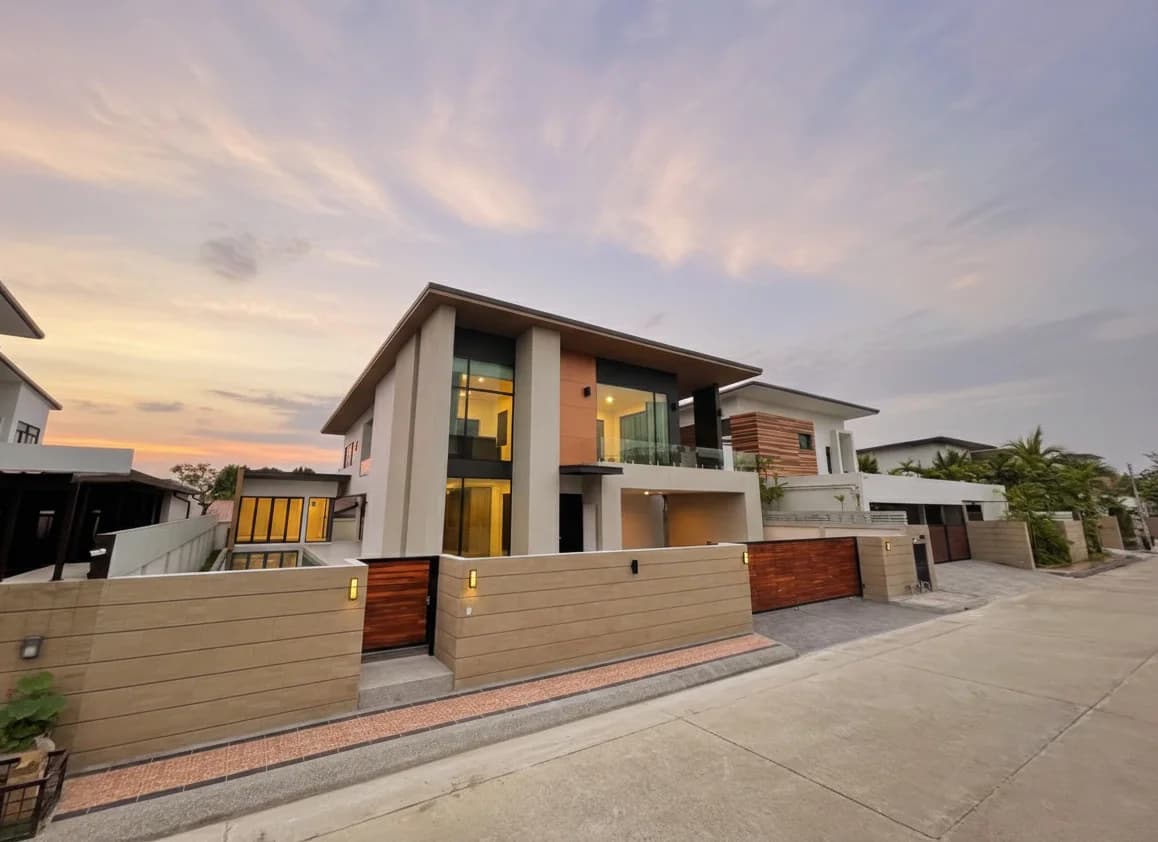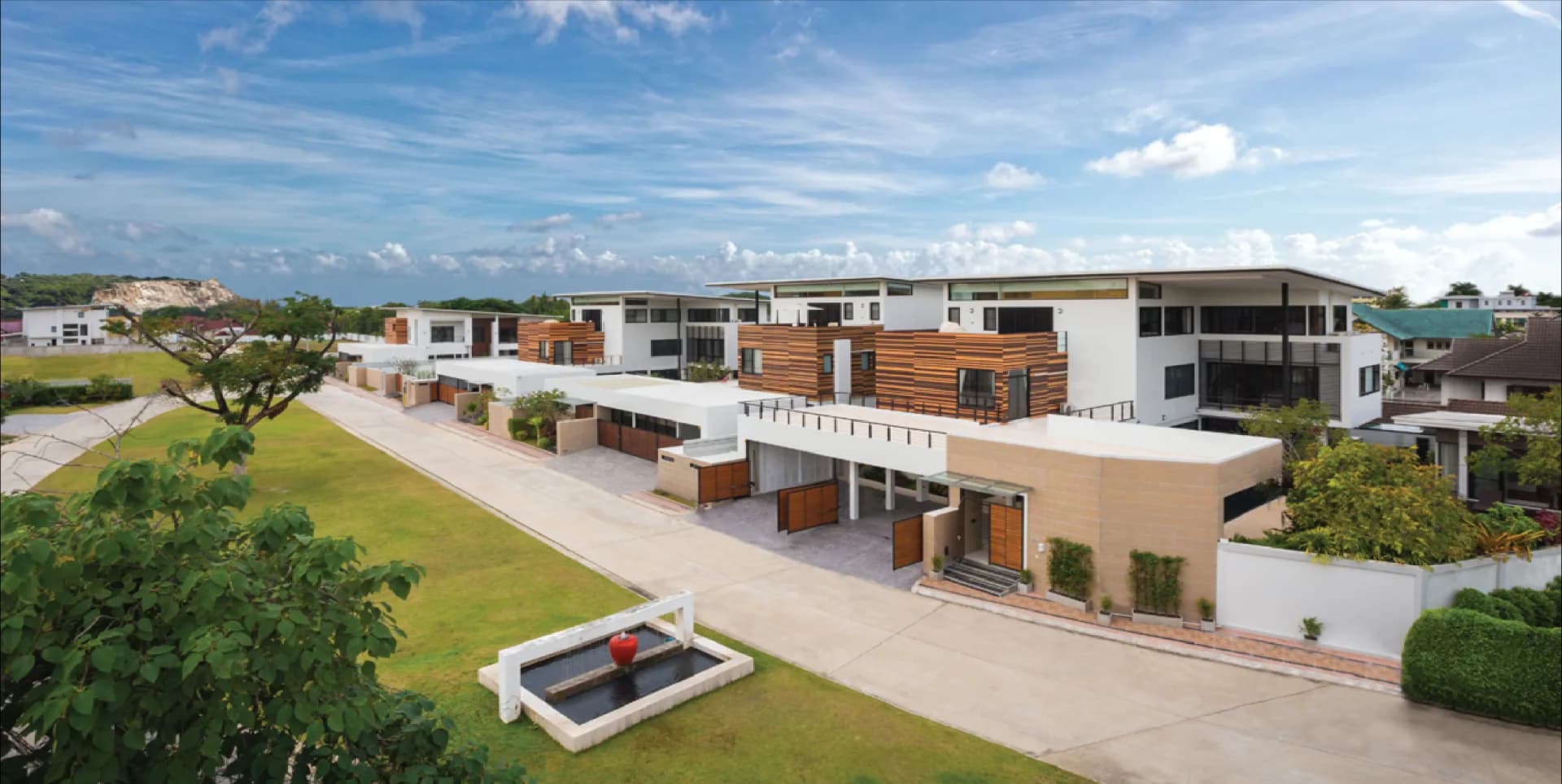
The Chiang Mai property market continues to grow steadily in 2025, particularly in the premium detached housing segment, which attracts both Thai and international buyers. Data from the Real Estate Information Center (REIC) indicates that Chiang Mai's residential market value grows an average of 8–12% annually.
Price Trends and Product Segments
Detached homes in the 5–15 million baht range remain the highest-demand segment, appealing to young families seeking spacious living at accessible prices. Meanwhile, the luxury segment above 20 million baht is expanding, driven by second- and third-home buyers and expatriates choosing Chiang Mai as their "Second Home" destination.
Price Segment Overview 2025
- 3–5 million baht — Townhomes and semi-detached, ideal for first-time buyers
- 5–15 million baht — Mid-to-upper detached homes, highest demand segment
- 15–30 million baht — Premium detached homes, spacious with full amenities
- 30 million baht+ — Pool Villas and luxury, specialist buyer segment
Key Locations to Watch
Hang Dong district remains the number one choice due to its complete infrastructure, proximity to the airport, shopping malls, and international schools. The outer ring road (Ring Road 3) area and Mae Rim district are also gaining interest from nature-loving buyers.
Top 3 Most Popular Locations
- Hang Dong — Complete amenities, near airport, international schools — the #1 choice
- Ring Road 3 corridor — Accessible prices, high growth potential
- Mae Rim — Natural setting, ideal for second homes and resort-style living
Positive Market Factors
The Bangkok–Chiang Mai high-speed rail project, expected to begin service in the near future, will enhance Chiang Mai's appeal as a livable and investment-worthy city. Additionally, the Digital Nomad and Remote Working trends continue to attract younger buyers with strong purchasing power.
What Buyers Should Consider
Before making a purchase decision in Chiang Mai, carefully evaluate the following:
- Choose developers with long track records and ISO 9001 certification
- Focus on locations with planned infrastructure development
- Compare construction material quality and utility systems carefully
- Verify common area fees and long-term project management standards